-
Nietzsche, or perhaps not?
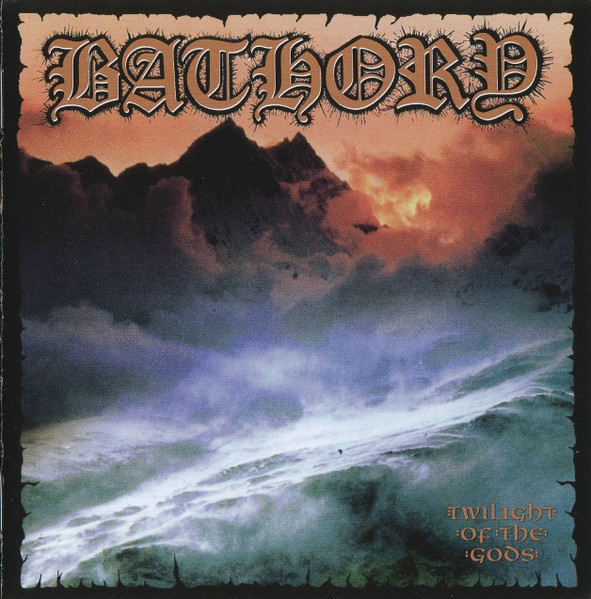
On the back cover of Bathory’s 1991 album Twilight Of The Gods, we find a quotation signed “Friedrich Nietzsche 1871”. Through releases such as this, Bathory had a major influence on the emergence of the Norwegian black metal scene in the late 1980s and early 1990s. It is likely that many of those who listened to Bathory and carved out their own place in Norwegian black metal history at the same time also developed an interest in reading the German philosopher Friedrich Nietzsche (1844–1900) through the quote on the back…
-
The land beyond the forests
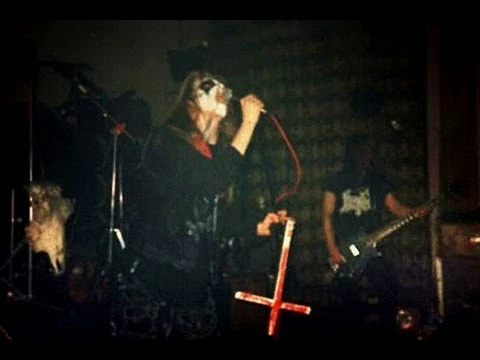
On that day, April 8, 1991, in the house they rented in Krokstad outside Oslo, when Mayhem vocalist Per Yngve “Pelle/Dead” Ohlin (1969–1991), after attempting to take his own life with knives in the woods, put a shotgun to his face and pulled the trigger, he was wearing a white T-shirt that read “I love Transylvania.” In several letters sent in 1990 to the Italian fanzine editor and music distributor who calls himself The Old Nick – incidentally a nickname for Satan – Ohlin writes in detail about how insanely…
-
From Kristian to Varg
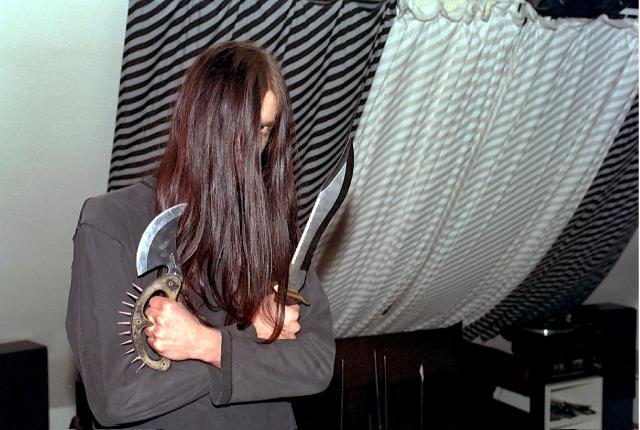
Moynihan & Søderlind claim in the book Lords of Chaos: The Bloody Rise of the Satanic Metal Underground, from 2003 (expanded edition of the first edition from 1998) that Burzum’s Kristian Vikernes changed his name to Varg Vikernes sometime between 1991 and 1992. It is this claim that I will examine in this article, and the question I will try to answer is: When did Kristian Vikernes actually change his name to Varg Vikernes?
-
Come into the wild forest …
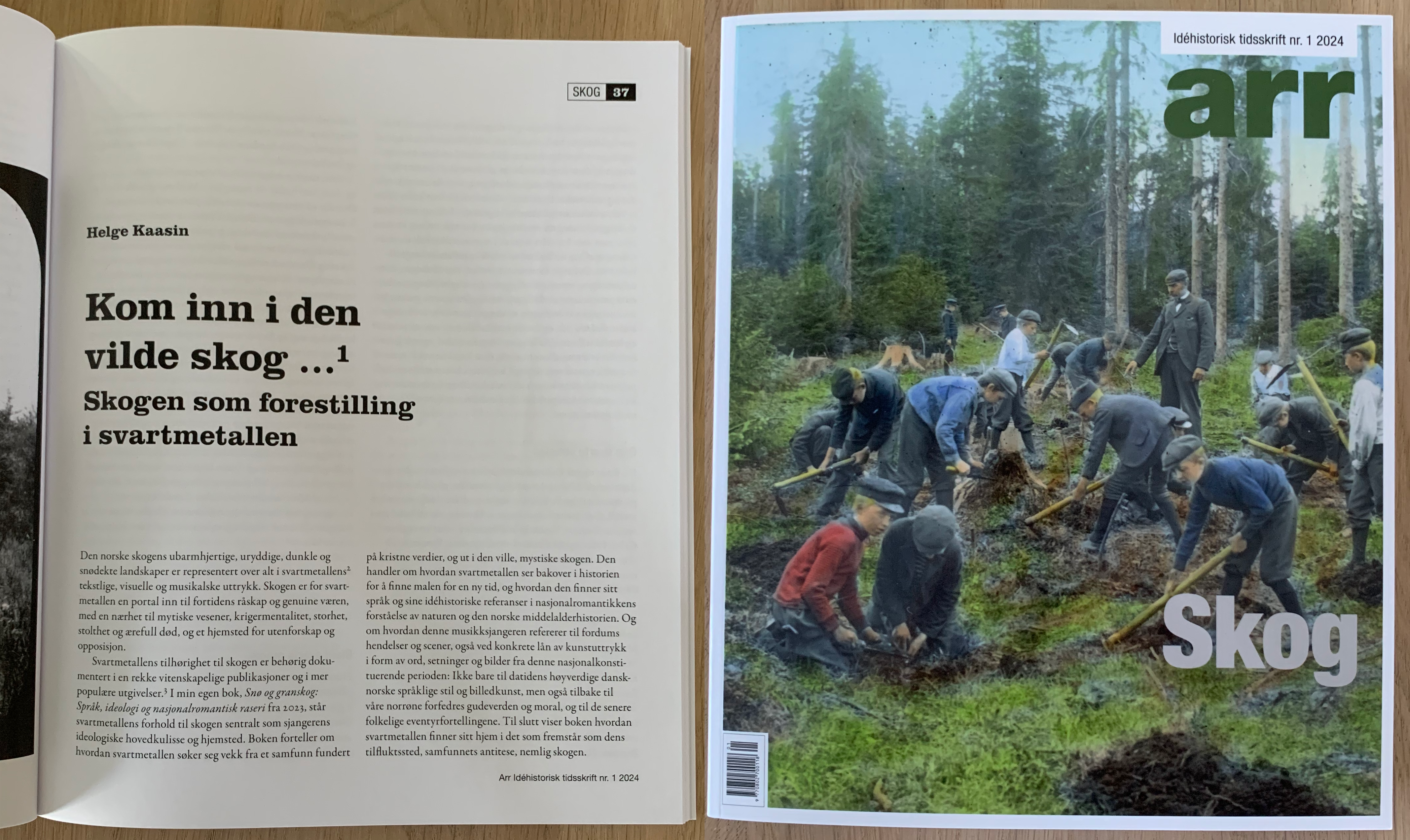
In November 2023, I was contacted by Thomas Østerhaug, editor of Arr – idéhistorisk tidsskrift (a journal of the history of ideas), who had taken a look at my book Snø og granskog (Snow and Spruce Forest) and found it interesting – asking if I would be willing “to write an article for Arr on the use of forests/notions of forests in black metal […] preferably with historical-philosophical references to National Romanticism and the Middle Ages – insofar as they can be linked to forests” I felt this was a…
-
The Black Metal Police
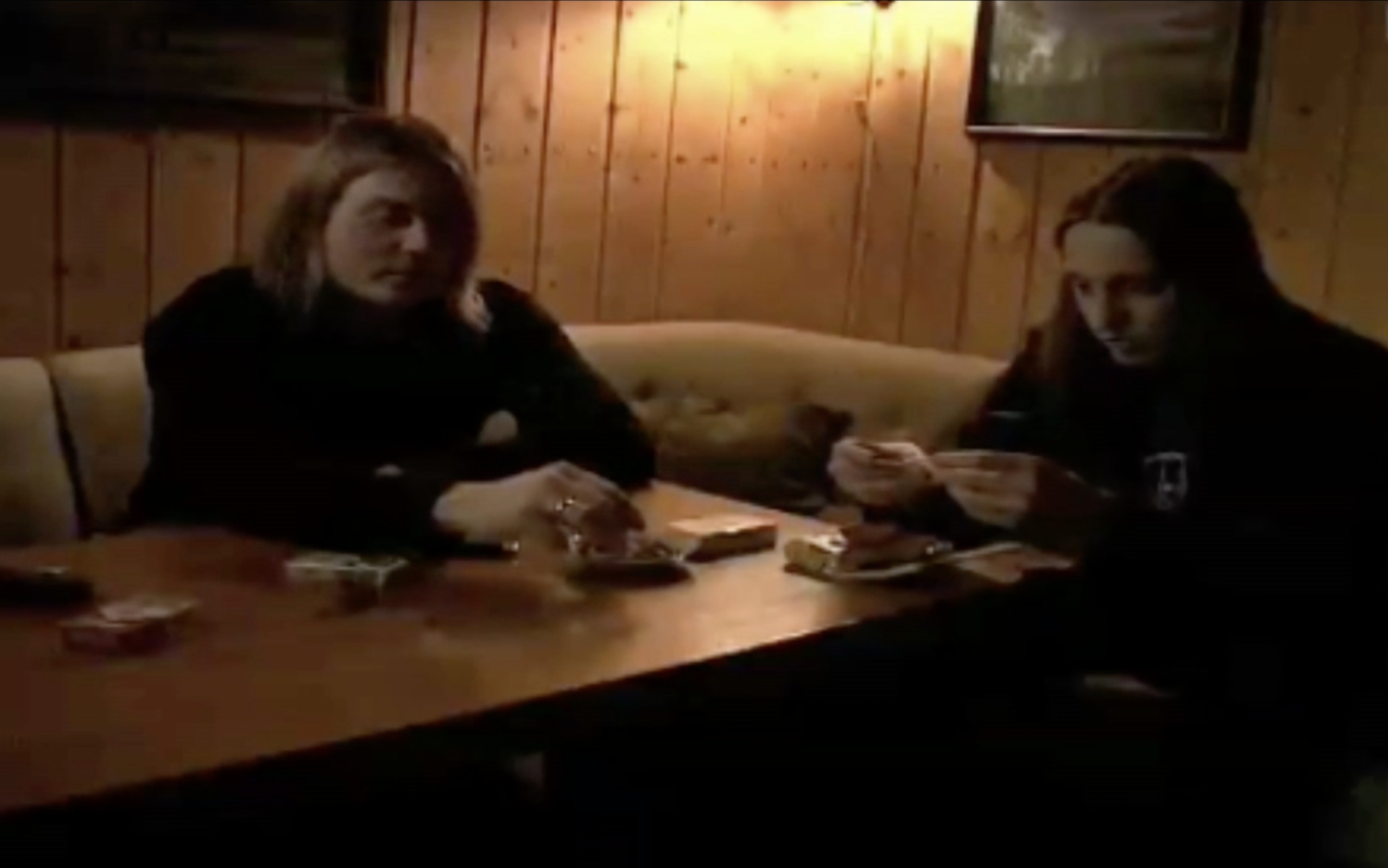
In the beginning, we were the music police. We could freeze out bands. Gylve Fenris «Fenriz» Nagell, Lydverket spesial: Black metal, 2003. My translation. Gylve Fenris “Fenriz” Nagell and Ted “Nocturno Culto” Skjellum are sitting on opposite sides of the beige corner sofa in a simple cabin in Trysil. Ted has just lit up his finished cigarette, picked from one of the packs lying in front of them on the pine living room table. Gylve is rolling his own from the roll-your-own tobacco pack that is also on the table…
-
The Morbid Angel concert in 1991
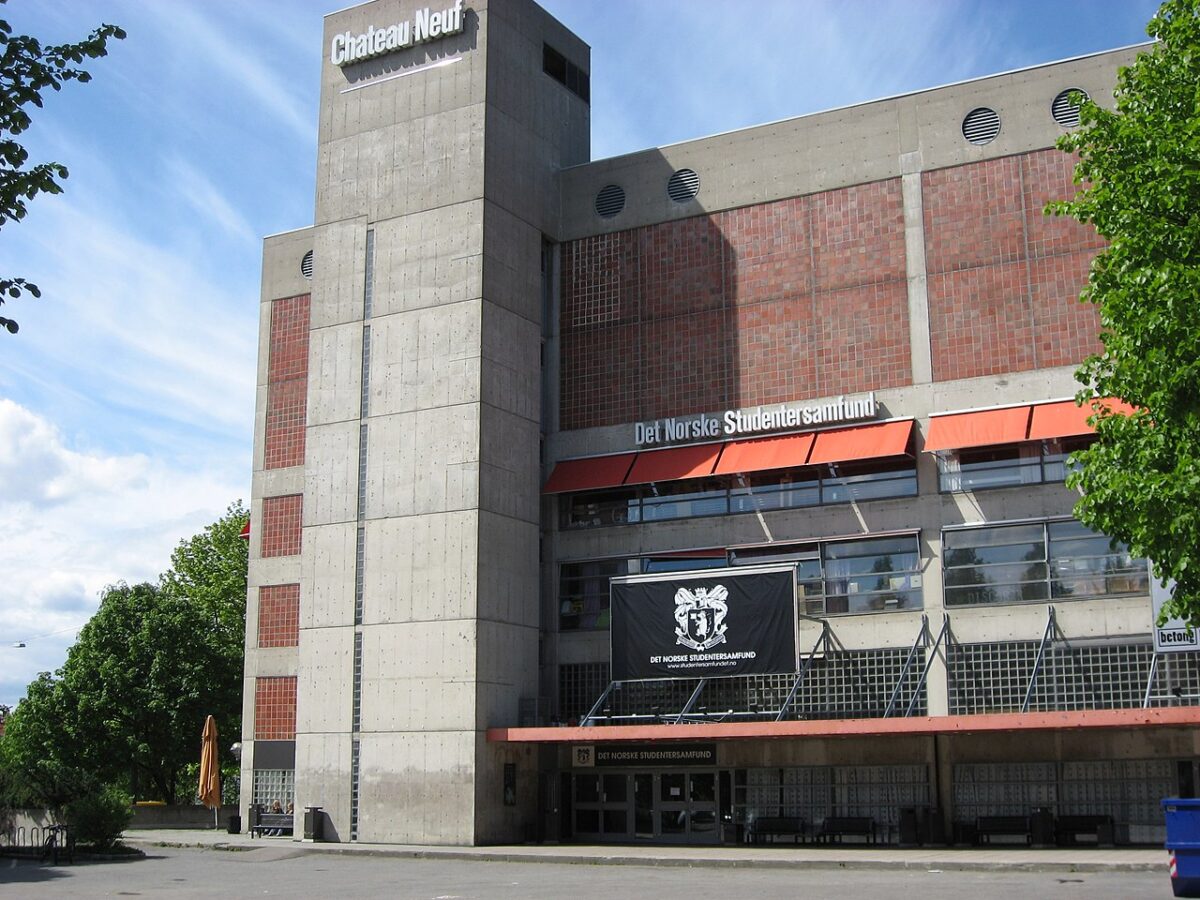
In the history of Norwegian black metal, there are several concerts that stand out as particularly significant: the Dio concert at Drammenshallen in October 1984, Mayhem at Folkets Hus in Jessheim in February 1990, and Darkthrone and Satyricon at Rockefeller in April 1996. These are all significant because they defined the genre and cemented the early Norwegian black metal scene – the second wave of dark, satanic rock that swept across the country, and the world, like a flame in the northern sky. But there is one concert that stands…
-
Oppi fjellet / Up in the mountains
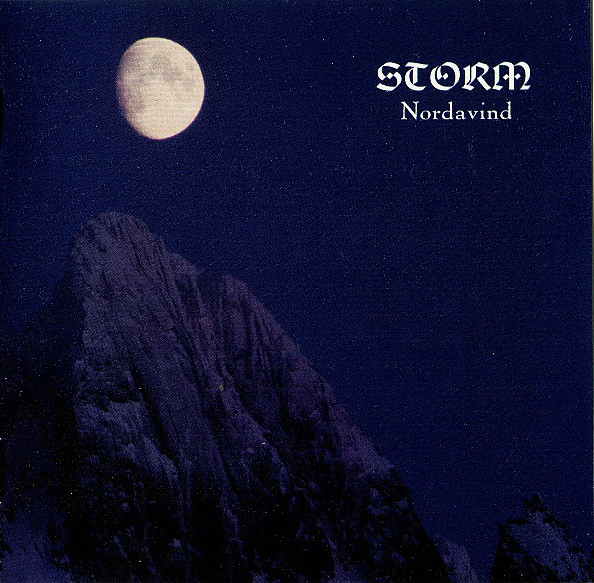
In February 1995, the supergroup Storm released their debut album Nordavind, a fusion of old traditional folk tunes and black metal. The Norwegian words storm and nordavind mean “storm” and “north wind” respectively in English. Storm started as a duo consisting of Sigurd “Satyr” Wongraven from Satyricon, and Gylve Fenris “Fenriz” Nagell from Darkthrone. Towards the end of the process of creating Nordavind, they brought in vocalist Kari Rueslåtten from The 3rd and the Mortal. This added finesse and musical sophistication to the release, but also led to a bitter…