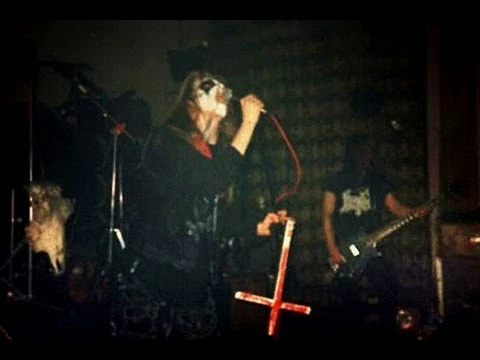
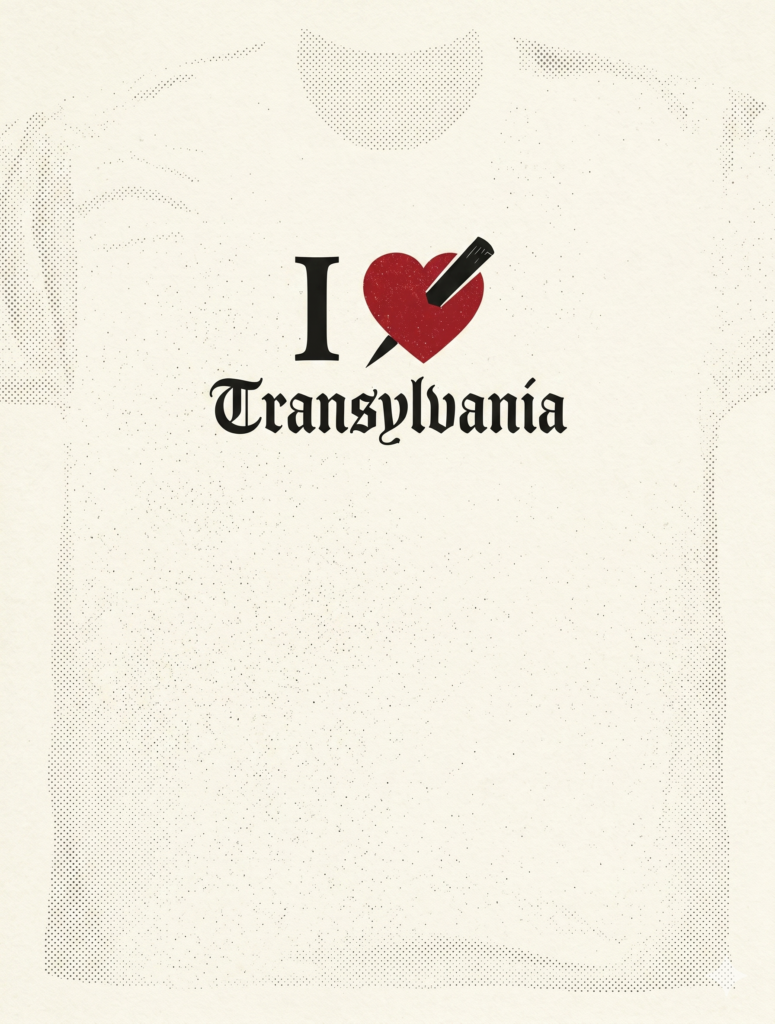
On that day, April 8, 1991, in the house they rented in Krokstad outside Oslo, when Mayhem vocalist Per Yngve “Pelle/Dead” Ohlin (1969–1991), after attempting to take his own life with knives in the woods, put a shotgun to his face and pulled the trigger, he was wearing a white T-shirt that read “I love Transylvania.” In several letters sent in 1990 to the Italian fanzine editor and music distributor who calls himself The Old Nick – incidentally a nickname for Satan – Ohlin writes in detail about how insanely interested he is in everything to do with Transylvania, vampires and werewolves.

The name Transylvania comes from the Latin trans, meaning “the other side,” and silva, meaning “forest,” and combined, it means “the land beyond the forest(s).” The historical landscape is strongly associated with many, probably because of Bram Stoker’s many-times-filmed novel Dracula from 1897, about the vampire Count Dracula from Transylvania in search of new hunting grounds in London. One of the Count’s several supernatural powers is that he can control wolf packs as he wishes.
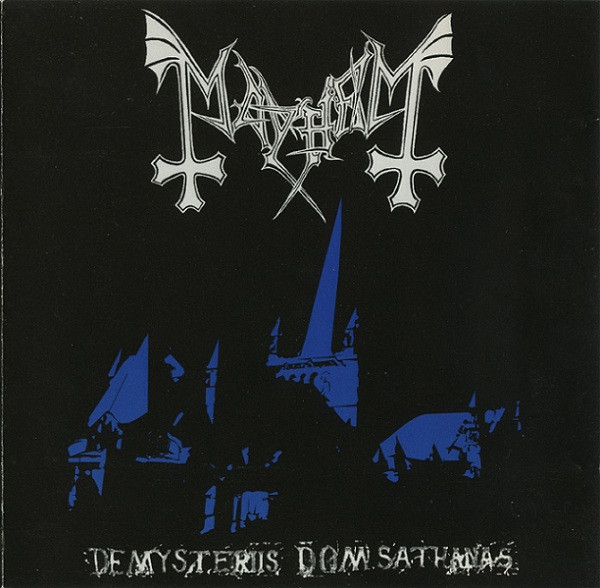
Ohlin does not write about vampires, wolves, or werewolves in the lyrics he wrote for Mayhem, but he does write about Transylvania in the song “Funeral Fog” on De Mysteriis Dom Sathanas, released on May 24, 1994:
Every time this year
This dark fog will appear
Up from the tombs it comes
To take one more life that can be near
In the middle of Transylvania
All natural life has for a long time ago gone
It's thin and so beautiful
But also so dark and mysterious1
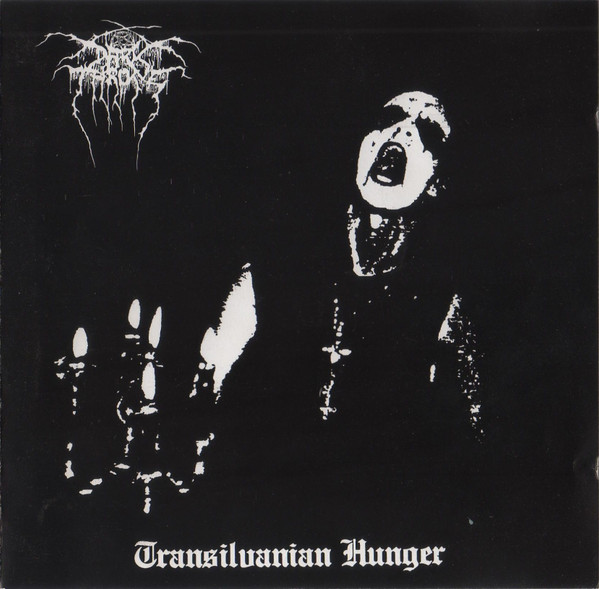
Earlier that year, on February 17, 1994, Darkthrone released Transilvanian Hunger. The title track mentions vampires:
So pure... So cold
Transilvanian hunger

Hail to the true, intense vampires
A story made for divine fulfillment2
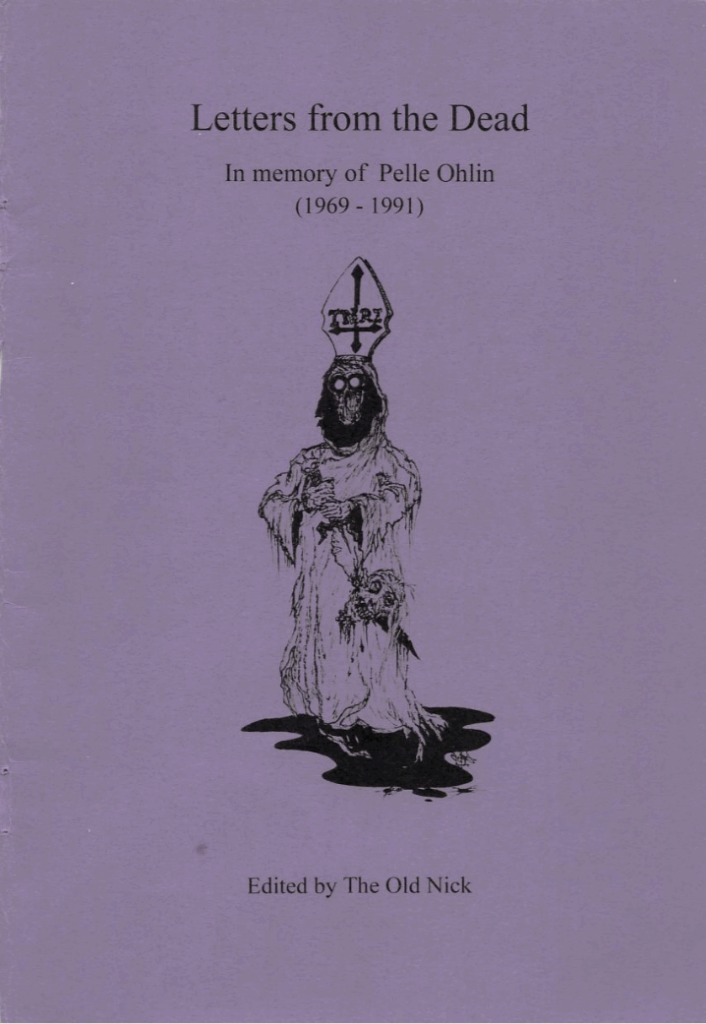
In the letters dated Langhus, March 21, 1990, and Kråkstad, August 24, 1990, Ohlin asks The Old Nick, among other things, whether he knows whether those in Transylvania who suffer from the rare metabolic disease porphyria – known as vampire syndrome – are gathered in colonies on a par with lepers. If so, he would like to live with them, and perhaps get a job as a supplier of blood for them. And Ohlin shows a genuine interest in these transboundary creatures and their cultural history:
The weirdest thing about vampyrism is that it was so spreaden out, all over the whole world (but in the West Europe not really until about 150 years ago). The idea of that when someone loosing all his blood that also the soul follows with it is really old and someone who then sucks out someone elses blood then must take thet ones soul and keep it. So for thousands of years ago or maybe even longer back in time than that people around the world have had some kind of a vampire tale from that idea of the blood is the soul and life. I can not understand how people of that time could find out the legends of wolf-men … have you ever seen a wolf in a zoo or something like that? The only difference between a wolf and an ordinary dog is that a wolf is wild, got about some 100 times smarter brain and stronger instincs.
The Old Nick, 2016, Letters from the Dead: In memory of Pelle Ohlin (1969–1991), p. 16.
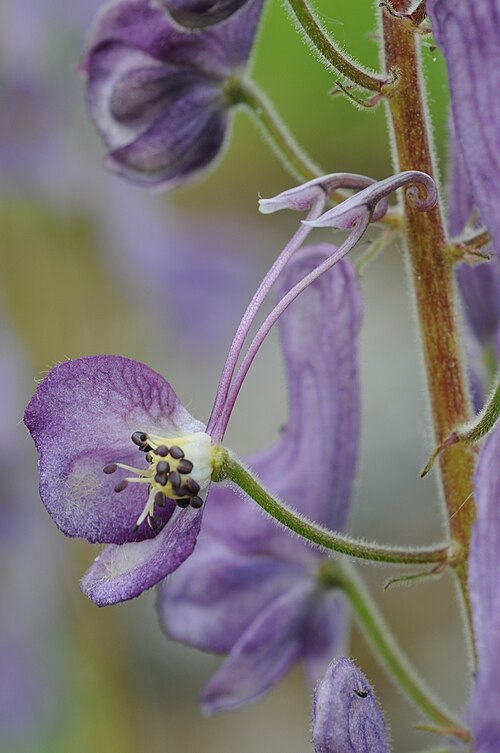
Ohlin forteller også at han kunne tenke seg å samle på planter det er knyttet overtro til, og han er på utkikk etter planter som næres av månelyset. Disse knytter han til lykantropi, for vi kjenner alle til hvordan ulven hyler mot månen:
Do you know some more about Lycanthropy/werewolves?
I don’t know much about that anyway. I try to find flowers of that kind that are supposed to be fed by the moon light but I don’t know the name of those flowers. Only of one, but I don’t think it has anything to do with the moon – Wolvesbane, that one is thought to “infect” humans to werevolves, it’s very poisonous anyway. It grows only at very strange places and I doubt it at all exists in Scandinavia .. . I’d like to collect in plants that there are superstitions of.
The Old Nick, 2016, p. 16.
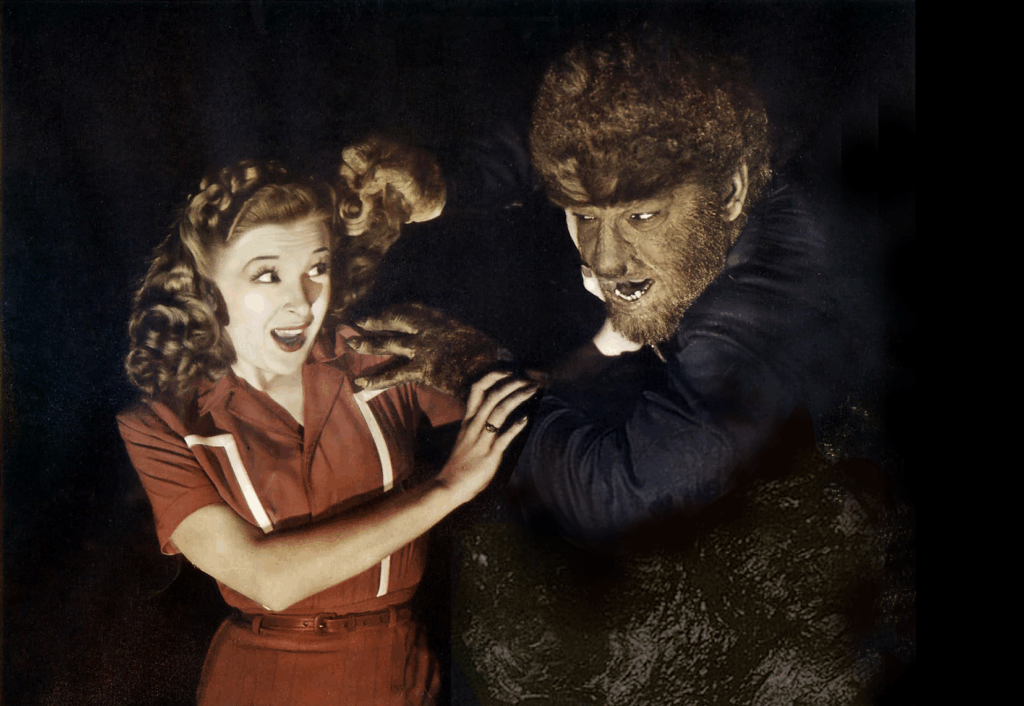
Wolfsbane or in Latin Aconitum lycoctonum – which means “wolf killer” – is often called tyrihjelm in Norwegian, and is very poisonous. It grows wild in most of Norway, and was used by the Sami people as wolf poison, among other things.3 In the classic horror film The Wolf Man from 1941, wolfsbane is used as protection against werewolves.
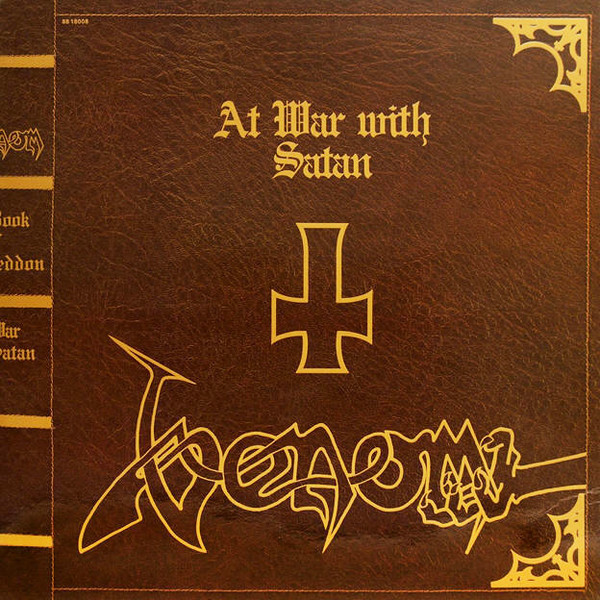
This is the exact opposite of what Ohlin claims the plant could be used for, in line with Venom’s lyrics to the song “Cry Wolf” from their 1984 release At War with Satan, namely to infect people so that they become werewolves. This is a song that it is fairly certain Ohlin listened to closely:
Placed in the wilderness, naked and cold
The night draws the warmth from my flesh
Howls in the distance
The wolves they catch my scent
They yearn for my blood warm and fresh

But I....

Cannot run, I cannot hide
I'm moments old, yet terrified
Snarling breath upon my face
Who has damned in this place

Morning breaks the evening darkness
Daylight sings so loud
Father holds my in his arms
And laughs for he is proud
'All is well' my mother cries
A kiss for me her child
But at night my heart turns black
And calls me to the wild

In the night where the wolf-bane grows
In the night when the full moon glows

Cry wolf...

Alone in your room
By the light of the moon
Your glory is shining so bright
You pray for the day
Oh show me the way
The devil takes over tonight
It's too late, night is here
The time that you dread
The time when you lose all control

Your body's in pain
You're crying in vain
Satan takes over your soul

Cry wolf...

Even a man who's pure of heart
He says his prayers by night
Bane from a wolf when the wolf bane grows
And the moon's full and bright


Cannot run, I cannot hide
I am still terrified
Snarling breath is on my face
I am damned in this place

I cannot resist their call
It strengthens as I age
To the pack to join the feast
And fear immortal rage
Never can I live the life
Of every normal child
Forever I must answer
To the call of the wild

Cry Wolf

The call of the wild4
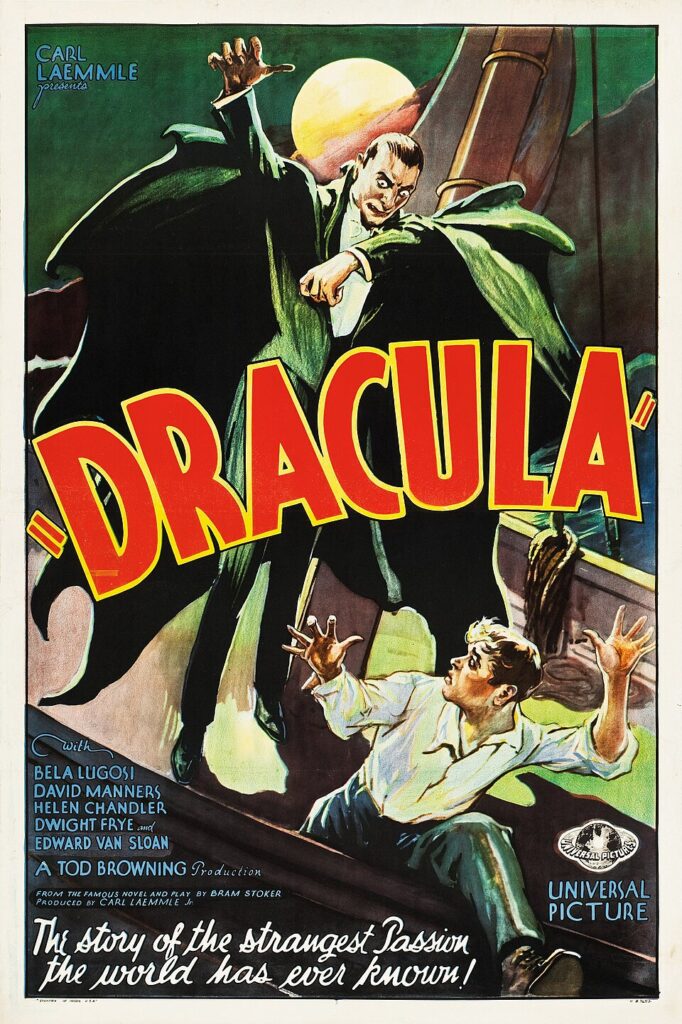
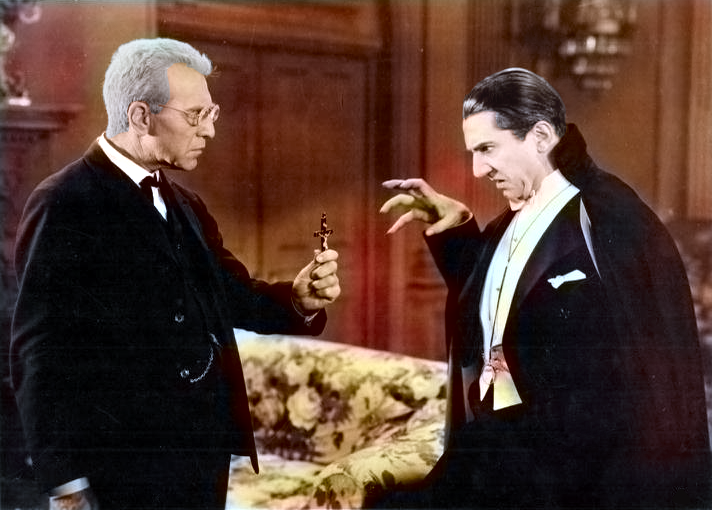
In the 1931 film Dracula, Professor Van Helsing uses a garland of valerian flowers to protect sanitarium director John Seward’s daughter Mina from vampires. In Harry Potter, valerian is used to potentially cure lycanthropy.
A little later in the letter to The Old Nick there is an interesting paragraph where Ohlin, in his wry writing style, first reflects on how humans, like wolves, and therefore also werewolves, are affected by the moon:
I don’t think it was the idea of the wolves themselves that made people find out about werewolves – but their reaction at the full moon. Also humans reacts at the full moon but I think that is growing away more and more ‘cos it was really many generations ago since the humans lived in forests and near the nature […]
The Old Nick, 2016, p. 17.
Vampires, werewolves, night-blooming plants. All have in common that they are nourished by the night, by the moon, in the same way that Ohlin imagines the night person, the black metal character, in the Mayhem song “Pagan Fears” from the 1994 release De Mysteriis Dom Sathanas:
Woeful people with pale faces
Staring obsessed at the moon
Some memories will never go away
And they will forever be here5
In the letter, he continues the sentence above that it has been so long since humans have lived close to nature that we have lost our animal instincts:
[…] so now we’re only used to computers and disgusting tecnology. Humans adjustment to newer times and hi-tech shit has made our brains different, our instincts are almost gone etc. But I believe that for some hundreds or thousands years ago we could feel alike the animals in many manners.
The Old Nick, 2016, p. 17.
Ohlin believes that the animal is to be found in man, but that we have lost it or forgotten it. This points to black metal’s understanding that man has suppressed an important part of himself through the slave morality of Christianity, namely the wildness, and that this must be brought back to life in order to make man healthier. Ohlin continues by giving a recipe for how one can get closer to the primitive, namely by visiting the forest for a long time, which he himself reports having done.
Have you been living alone in a forest for a longer time? Have you then felt how your mind can “turn back” to be more primitive … at least that’s how I feel it then. I’m working on that for example when I need new (old … ) and different ideas for lyric material. I’ve tried that out, to sit alone in a lonely and half-broken down cabin in a dark forest, by night.
The Old Nick, 2016, p. 17.
Then Ohlin concludes by expressing a central thought of the black metal character, which sounds like an echo of sociologist Max Weber’s (1864–1920) decree that the world is demystified in modernity, and thus becomes more alienated, emotionless and sterile. Weber writes:

The fate of our times is characterized by rationalization and intellectualization and, above all, by the «disenchantment of the world.»
Weber, 1946, «Science as a Vocation», From Max Weber: Essays in Sociology, p. 155.
According to Weber, we have lost something important in modernity’s one-sided pursuit of scientific truths about the world. For Ohlin, this means a desire to re-enchant reality with, among other things, mythical beings and magical plants:
The worst thing about the modern time is the modern way of thinking and too much can be explained.
The Old Nick, 2016, p. 17.
Sources
See Sources.
Notes
- Excerpt from Mayhem, 1994, “Funeral Fog”, De Mysteriis Dom Sathanas. Lyrics by Per Yngve Ohlin. ↩︎
- Excerpt from Darkthrone, 1994, “Transilvanian Hunger”, Transilvanian Hunger. Lyrics by Gylve Fenris Nagell. Note that Transilvanian in Transilvanian Hunger is misspelled. In English it should be Transylvanian with a y. In Norwegian it is written with an i. ↩︎
- See Artsdatabanken (Species data bank): https://artsdatabanken.no/Pages/286520. ↩︎
- Venom, 1984, «Cry Wolf», At War with Satan. ↩︎
- Mayhem, 1994, «Pagan Fears», De Mysteriis Dom Sathanas. Lyrics by Per Yngve Ohlin. ↩︎
Leave a Reply